
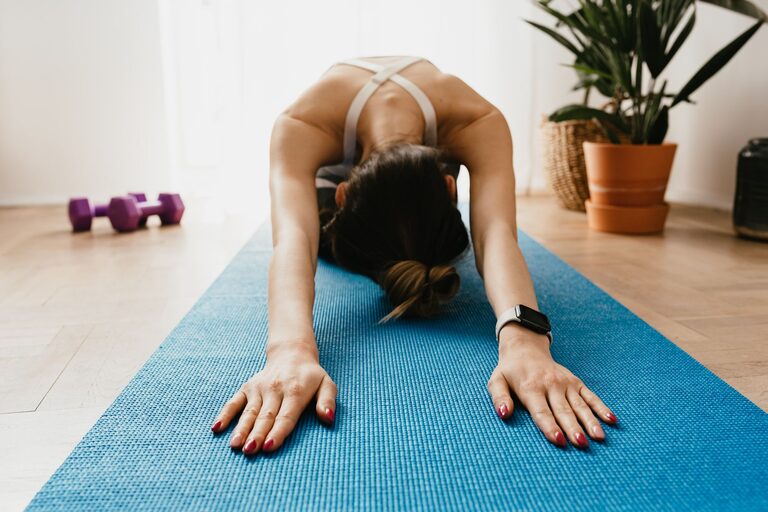
Stretching is an essential part of staying healthy and feeling good in your body. Whether you want to improve your flexibility, relieve muscle tension, or just add a relaxing routine to your day, stretching at home is a convenient and effective way to do it. This beginner’s guide will walk you through the basics of stretching, explain the benefits, and provide step-by-step instructions for simple stretches you can do without any special equipment.
Why Stretch at Home?
Stretching at home is accessible and can be adapted to fit your schedule and fitness level. You don’t need a gym membership or fancy tools—just a little space and a few minutes. Stretching regularly helps:
– Increase flexibility and range of motion
– Reduce muscle stiffness and soreness
– Improve posture and balance
– Enhance circulation and relaxation
– Prepare your body for physical activity or help you unwind after a long day
Starting a home stretching routine can also increase body awareness and reduce the risk of injuries.
Types of Stretching
Before you begin, it’s helpful to understand the main types of stretching:
Static Stretching
This involves holding a stretch in one position for 15 to 60 seconds. It helps lengthen muscles and improve flexibility. Static stretches are best done after a workout or as part of a cool-down.
Dynamic Stretching
Dynamic stretches involve moving parts of your body through a full range of motion, gradually increasing reach and speed. These are ideal for warming up before exercise.
Ballistic Stretching
This uses bouncing or jerky movements to push muscles beyond their normal range. It’s not recommended for beginners as it can increase the risk of injury.
For a safe start, focus on static and gentle dynamic stretches.
Getting Started: Tips for Stretching Safely
– Warm up first: Stretching cold muscles can lead to injury. Try walking or marching in place for 3-5 minutes.
– Listen to your body: Stretch to the point of mild tension, not pain.
– Breathe deeply: Avoid holding your breath; steady breathing helps relax muscles.
– Be consistent: Aim to stretch at least 3-4 times a week for best results.
– Use a mat or soft surface: This adds comfort and support, especially when stretching on the floor.
Beginner-Friendly Stretching Routine
This routine targets major muscle groups and takes about 10-15 minutes.
1. Neck Stretch
– Sit or stand tall.
– Slowly tilt your head to the right, bringing your ear toward your shoulder.
– Hold for 20-30 seconds, feeling the stretch along the left side of your neck.
– Repeat on the left side.
2. Shoulder Stretch
– Extend your right arm across your chest.
– Use your left hand to gently press the right arm closer to your body.
– Hold for 20-30 seconds.
– Switch arms.
3. Triceps Stretch
– Raise your right arm overhead and bend the elbow to touch your upper back.
– Use your left hand to gently push the right elbow downward.
– Hold for 20-30 seconds.
– Switch arms.
4. Chest Stretch
– Stand in a doorway.
– Place your forearms on the doorframe with elbows at shoulder height.
– Step forward gently until you feel a stretch across your chest.
– Hold for 20-30 seconds.
5. Side Stretch
– Stand with feet hip-width apart.
– Reach your right arm overhead and lean to the left, stretching the side of your body.
– Hold for 20-30 seconds.
– Repeat on the other side.
6. Hamstring Stretch
– Sit on the floor with one leg extended and the other bent so the sole of your foot rests on the inner thigh.
– Lean forward gently toward the extended leg, keeping your back straight.
– Hold for 20-30 seconds.
– Switch legs.
7. Quadriceps Stretch
– Stand near a wall for balance if needed.
– Bend your right knee and grab your ankle from behind.
– Pull your foot gently toward your buttocks.
– Hold for 20-30 seconds.
– Switch legs.
8. Calf Stretch
– Stand facing a wall, place your hands on it at shoulder height.
– Step your right foot back, keeping it flat on the floor and your leg straight.
– Bend your left knee slightly and lean forward.
– Hold for 20-30 seconds.
– Switch legs.
Making Stretching Part of Your Daily Routine
Building a habit is easier when you keep it simple and enjoyable.
– Stretch in the morning to wake up your body.
– Take short stretching breaks during work or study.
– Stretch before and after physical activity.
– Use reminders or apps to keep you motivated.
When to Avoid Stretching or Use Caution
If you have any injuries, chronic pain, or specific health conditions, consult a healthcare professional before starting a stretching routine. Avoid stretching inflamed or swollen areas.
Final Thoughts
Stretching at home is a gentle, effective way to improve your flexibility and overall comfort. With just a few minutes a day and some simple stretches, you can experience less stiffness, better posture, and more ease in your movements. Start slow, be consistent, and enjoy the benefits of taking care of your body right where you are.