
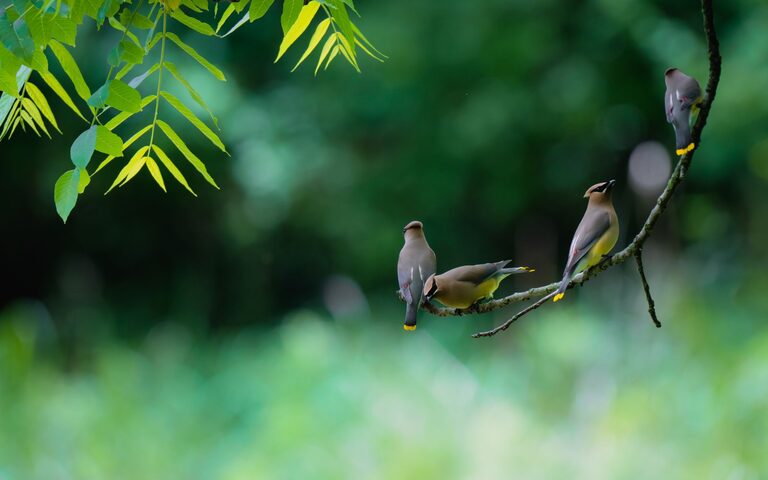
Birdwatching is a rewarding hobby that allows you to connect with nature, relax, and learn about the fascinating world of birds. You don’t need to travel far or own expensive equipment to get started. Your own backyard can become a perfect spot for birdwatching with a few simple tips and the right mindset. Whether you’re a complete beginner or looking to enhance your experience, this guide will help you attract birds and enjoy watching them in your own outdoor space.
Why Try Backyard Birdwatching?
Birdwatching in your backyard is convenient and accessible. It encourages mindfulness, reduces stress, and introduces you to the variety of bird species that live near you. Plus, it’s a family-friendly activity suitable for all ages.
Getting Started: Essential Tools and Setup
1. Choose a Good Spot
Identify a comfortable place where you can watch without disturbing the birds. A porch, patio, or near a window offers good views. Make sure the area is quiet and free from sudden movements that might scare the birds.
2. Get a Simple Bird Guide
A field guide or a bird identification app can be extremely helpful. Look for one that covers birds native to your region with clear photos and descriptions. This will help you recognize and learn about the birds you see.
3. Use Binoculars (Optional but Helpful)
While binoculars are not a must, having a basic pair can enhance your experience by allowing you to see bird details up close. Choose lightweight binoculars with moderate magnification (6x to 8x) for comfortable use.
Attracting Birds to Your Backyard
Creating a bird-friendly environment encourages more visitors. Here are some easy ways to make your yard appealing:
1. Provide Food Sources
– Bird Feeders: Set up feeders with a variety of seeds like sunflower, millet, and nyjer to attract different species.
– Natural Food: Plant native trees and shrubs that produce berries, seeds, or nectar.
– Water Source: A birdbath or shallow dish of water provides drinking and bathing spots.
2. Offer Shelter and Nesting Areas
– Plant shrubs, bushes, and trees that offer safe cover.
– Install birdhouses suitable for local species.
– Leave some leaf litter or fallen branches for ground feeders and insects.
3. Avoid Chemicals and Pesticides
Keep your yard organic and pesticide-free to help protect the birds and their food sources.
Best Practices for Watching Birds
1. Be Patient and Quiet
Birds are sensitive to noise and sudden movements. Sit quietly and wait; eventually, birds will become comfortable and show up.
2. Observe Carefully
Take notes or photos to help remember what you see. Note the colors, sizes, behaviors, and sounds of birds to deepen your knowledge.
3. Respect Wildlife
Avoid handling birds or disturbing nests. Keep pets indoors during peak birdwatching times to reduce stress for the birds.
Learning and Connecting
1. Join a Birdwatching Community
Look for local clubs, online forums, or social media groups. Sharing your observations and experiences can enhance your enjoyment and learning.
2. Keep a Birdwatching Journal
Recording sightings, dates, and weather conditions can track your progress and identify patterns over time.
3. Explore Further
As you grow more confident, try visiting parks, reserves, or other natural areas to see different species.
Common Backyard Birds Beginners May Spot
– Northern Cardinal
– American Robin
– Blue Jay
– House Sparrow
– Mourning Dove
– Black-capped Chickadee
– Carolina Wren
These birds are often attracted to feeders and are relatively easy to identify with a field guide.
Final Thoughts
Backyard birdwatching is a peaceful and enriching activity suitable for anyone. By creating a welcoming environment and approaching birdwatching with patience and curiosity, you can enjoy the beauty and diversity of birds right at your doorstep. Start small, experiment with different feeders and plants, and watch your backyard come alive with feathered visitors.
Happy birdwatching!